
Description
Charlotte Walker’s election sparks hope for youth representation in politics. Discover how young leaders are reshaping Australia’s political future.
🎧 Listen to this article:
Prefer to listen? Press play above or download the MP3.
Introduction: The Dawn of a Youth Political Revolution
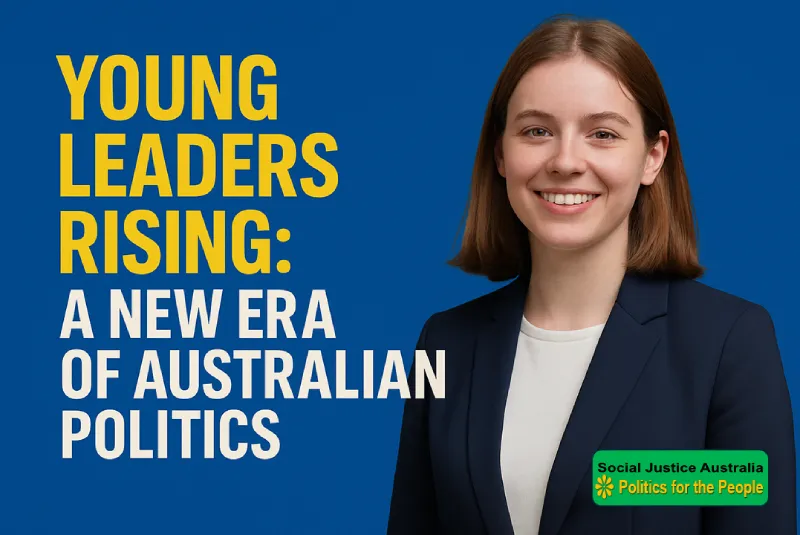
“I want to represent those who are often unheard,” said Charlotte Walker in her victory speech, framed by red banners and hopeful young faces.
In 2025, Australia elected one of its youngest-ever federal MPs. Charlotte, 23, a member of the Australian Labor Party, won a seat long held by a senior backbencher. Her victory was not just about one candidate; it reflected growing momentum for youth representation in Australian politics. For many, it felt like the start of a long-delayed revolution.
Who Is Charlotte Walker?
From Local Activist to Federal Parliament
Charlotte’s political roots go back to grassroots climate activism. At 15, she organised her first school strike for climate justice in Brisbane. By 18, she was delivering speeches at rallies and leading campaigns for affordable housing and mental health services.
A Fresh Voice Inside the Labor Party
Walker has quickly become a rising star within Labor. Her climate and housing priorities contrast sharply with the party’s recent support for gas expansion and delays in renewable energy rollout. Whether she can influence party policy on climate will be a key test of Labor’s willingness to listen to its younger base.
“We did not just want to win a seat. We wanted to shift the conversation.”
The Problem: Why Young Australians Are Left Out of Power
1. The Age Gap in Parliament
In 2022, the median age of MPs was 51, compared to 38 for the general population. Less than 5% were under 30 (ABS). This gap results in laws that often fail to reflect younger Australians’ lived experiences, from soaring rents to growing HECS debt.
2. The Consequences of Political Exclusion
Many young people feel politics is irrelevant to them. Samantha, 21, has never voted: “What’s the point? Nothing changes.” This is not apathy from disinterest, but frustration with decades of ignored priorities.
The Impact: Who Benefits from the Status Quo
Those with entrenched political and corporate power gain the most. Major parties often prioritise donor interests over youth needs, leaving young Australians with insecure jobs, high housing costs, and underfunded education.
Public money, instead of being used for corporate subsidies, could fund youth-focused programs like those explored in Free Education in Australia.
What’s Driving Young Australians Into Politics?
- Climate Crisis: Gen Z sees climate change as an existential threat.
- Cost of Living: Rents and wages remain out of balance (Reserve Bank of Australia).
- Mental Health and Social Justice: Cuts to youth mental health programs have intensified calls for reform.
- Distrust in Major Parties: Many view ALP and LNP as too close to corporate interests.
Why the 2025 Election Marked a Turning Point
- Youth enrolment reached a record high (AEC)
- 18–24-year-old turnout rose by 14%
- Three candidates under 30 won seats in federal parliament
Generational Shifts: Gen Z vs Boomers
Gen Z: Prioritise climate, equity, housing justice; distrust corporate lobbying; value transparency and community-first economics.
Boomers: Focus on stability, homeownership, and economic growth; higher trust in major parties.
This generational divide is reshaping political engagement.
Challenges Young Politicians Face
- Media Framing: Youth candidates are often painted as naive.
- Fundraising Gaps: Less access to corporate donors.
- Institutional Gatekeeping: Older members control party preselections.
Some young leaders overcome these by running as independents or mobilising grassroots movements like Tomorrow Movement and School Strike 4 Climate.
Australia’s Dollar Sovereignty: Unlocking a Youth-Centric Future
Australia issues its own currency, meaning it can fund public programs without “finding” the money elsewhere (GIMMS – What is MMT?). Yet austerity remains political orthodoxy.
Instead, public investment should prioritise:
- Free, world-class education
- Affordable public housing
- Guaranteed youth employment programs
Building a System That Welcomes Youth Representation
- Lower the voting age to 16
- Political education in schools
- Campaign spending caps and public funding
- Mentorship programs pairing new youth leaders with experienced MPs
Frequently Asked Questions
Q1: Why is youth representation in Australian politics important?
Because the decisions made in parliament today will affect younger Australians for decades, having young voices at the table ensures policies reflect their realities and priorities.
Q2: How can young people get started in politics?
Begin locally by joining youth-led movements, attending community meetings, volunteering for candidates who share your values, or starting a petition on issues you care about.
Q3: What role does Australia’s dollar sovereignty play in supporting youth policies?
As a currency-issuing nation, Australia can fund public-purpose programs like free education, affordable housing, and climate action without financial constraints. The challenge is political will, not financial capacity.
Final Thoughts: Youth Representation in Australian Politics
Youth representation in Australian politics is no longer optional; it is essential. Leaders like Charlotte Walker bring urgency and solutions shaped by lived experience. The future of our democracy depends on breaking down barriers that exclude young voices and making policy that works for all ages.
What’s Your Experience?
How do you think youth representation in Australian politics can be strengthened? Share your views below.
Call to Action
We’d Love to Hear from You!
Inspired by this article?
See what others are saying on our Reader Testimonials page.
Please share your thoughts via our Reader Feedback form — your voice helps shape future content.
Scroll down and leave a comment below to join the discussion.
If this article resonated with you, explore more on political reform and Australia’s monetary sovereignty at Social Justice Australia.
Spread the word:
Please share this article with friends, family, or your social networks to keep the conversation going and help build a fairer, more just Australia.
Email this to 3 friends who care about social justice and a fair go for all citizens.
Keep Independent Journalism Alive. Support Voices That Challenge the Status Quo
We’re 100% reader-supported, no ads, no corporate strings, just honest, truth-driven journalism.
If our work informs or inspires you, please chip in.
Donate Now, one-time or monthly. Even $5 helps us keep publishing.
Together, we’re making change possible.
Already donated? Share the love by leaving us a quick review on Google to help others find us.
Engaging Question:
What’s the first public investment you’d fund with Australia’s dollar sovereignty: housing, health, education, or green energy?
References
Australian Electoral Commission: Enrolment statistics for 18–24 year olds
Australian Electoral Commission: Parliamentarian age and demographic profile
Gimms org uk: What is MMT?
Hi Charlotte I am in the kings Cross Branch Sydney and we are considering how we might change the profile of the Branch by attracting younger workers.
We are an older branch with many experienced operators but they are unable to commit time and effort required.
So would welcome some ideas.
Hi Charlotte I am in the kings Cross Branch Sydney and we are considering how we might change the profile of the Branch by attracting younger workers.
We are an older branch with many experienced operators but they are unable to commit time and effort required.
Si would welcome some ideas.
Hi Terence,
I am not sure if Charlotte is aware of my website, so I doubt that she will see your message. Maybe it would be best to contact her directly.