
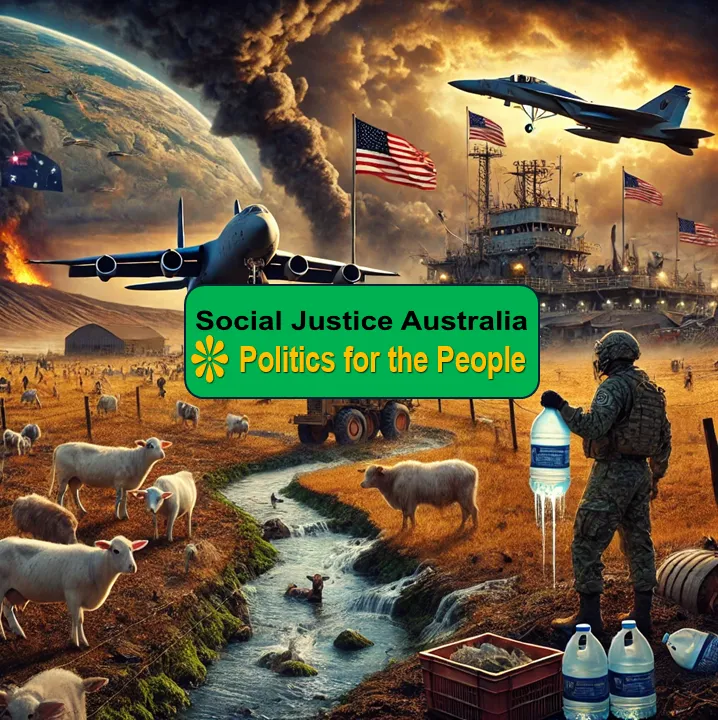
Description
Where are US military bases in Australia? See the full list, locations, and what they mean for sovereignty, security, and Australians.
Introduction – What You Need to Know
Where are US military bases in Australia, and what do they actually do? While often described as joint defence facilities, these bases play a significant role in intelligence, military operations, and regional strategy. Many Australians are unaware of their locations, purpose, and the broader implications for sovereignty and national security. This guide provides a clear list of US military bases in Australia, explains how they operate, and examines their environmental, political, and strategic impact.
Quick Answer: How Many US Military Bases Are in Australia?
Australia hosts only a small number of permanent US-linked facilities, but many Australian bases are regularly used by US forces under joint agreements.
The most significant include:
- Pine Gap (Northern Territory).
- Harold E Holt Naval Communication Station (Western Australia).
- Rotational US Marine presence in Darwin.
These arrangements mean Australia plays a key role in US military strategy in the Indo-Pacific.
List of US Military Bases in Australia
Permanent or Key Facilities
- Pine Gap (NT)
A major intelligence and satellite surveillance facility near Alice Springs. - Naval Communication Station Harold E Holt (WA)
Supports submarine communications across the region.
Joint and Rotational Facilities
- Darwin (NT)
Hosts up to 2,500 US Marines on rotation. - RAAF Tindal (NT)
Upgraded to support US bombers and aircraft operations. - RAAF Darwin (NT)
Used for joint air operations and exercises. - RAAF Learmonth, Curtin, Scherger, Townsville
Training, logistics, and deployment support locations.
Are These Really US Military Bases?
Most facilities in Australia are not officially US-owned bases. Instead, they are joint facilities or Australian bases used by US forces.
However, in practical terms:
- The US has significant operational access.
- Strategic decisions are closely aligned.
- Facilities are integrated into US military planning.
This distinction is important, but it does not remove the broader implications.
Why the US Uses Bases in Australia
The United States relies on Australia for several strategic reasons:
- Proximity to the Indo-Pacific region.
- Geographic distance from major conflict zones.
- Access to training areas and infrastructure.
- Advanced intelligence and surveillance capabilities.
These factors make Australia a key partner in US military operations.
Environmental Impact of US Military Activity
PFAS Contamination and Health Risks
One of the most serious issues is PFAS contamination from firefighting foams. These chemicals persist in the environment and are linked to cancer and other health problems.
Communities near bases such as Williamtown and Oakey have experienced:
- Contaminated water supplies.
- Health concerns.
- Long-term environmental damage.
Land and Ecosystem Damage
Military training exercises can damage fragile environments through:
- Heavy vehicle use.
- Live-fire exercises.
- Fuel storage and spills.
Areas such as Shoalwater Bay and parts of Northern Australia have experienced erosion and biodiversity loss.
Greenhouse Gas Emissions
Military operations are highly fuel-intensive. Aircraft, ships, and large-scale exercises increase emissions, contributing to climate pressures.
National Security Risks for Australia
Becoming a Strategic Target
Hosting US military facilities increases the likelihood that Australia could be targeted in a major conflict.
Facilities like Pine Gap are considered strategically important and could be priority targets in global tensions.
Loss of Strategic Independence
Australia’s defence policy is increasingly aligned with US priorities. This reduces the ability to remain neutral or make independent decisions in international conflicts.
Sovereignty and Political Concerns
Limited Public Oversight
Defence agreements involving the United States can involve complex arrangements that are not always easy for the Australian public to understand or scrutinise. Important decisions about military cooperation, intelligence sharing and access to Australian facilities can have long-term consequences for Australia’s sovereignty and security. This raises an important question: how much public oversight should Australians have over agreements that may affect the nation’s future?
These arrangements raise important questions about Australian sovereignty and the extent to which our defence policy is influenced by the United States. For a more detailed discussion of the risks posed by the expanding US military presence and the Trump administration, see our article on Trump and US military bases in Australia.
Historical Context: Pine Gap Debate
Debates over sovereignty are not new. Concerns about US influence over facilities like Pine Gap have existed for decades, highlighting long-standing questions about independence.
Economic and Strategic Trade-Offs
Close military alignment can also affect:
- Trade relationships
- Foreign policy decisions
- Economic independence
This can limit Australia’s flexibility in dealing with regional partners.
What This Means for Australia
The presence of US military bases raises important questions about:
- National sovereignty
- Security risks
- Environmental responsibility
- Australia’s role in global conflicts
These are complex issues that require informed public discussion.
Frequently Asked Questions
How many US military bases are in Australia?
There are only a few key permanent facilities, but many Australian bases are used by US forces.
Where is Pine Gap located?
Near Alice Springs in the Northern Territory.
Are US troops permanently based in Australia?
Most are rotational, particularly in Darwin.
Final Thoughts
US military bases in Australia are more than simple defence arrangements. They shape national security, foreign policy, and environmental outcomes in ways that affect all Australians.
Understanding where these bases are and how they operate is the first step in forming an informed view about Australia’s future.
Call to Action
If you found this article insightful, explore political reform and Australia’s sovereignty on Social Justice Australia: https://socialjusticeaustralia.com.au/.
Share this article with your community to help drive the conversation toward a more just and independent Australia.
Click on our “Reader Feedback” menu. Please let us know how our content has inspired you. Submit your testimonial and help shape the conversation today!
Additionally, leave a comment about this article below.
Support Social Justice Australia – Help Keep This Platform Running
Social Justice Australia is committed to delivering independent, in-depth analysis of critical issues affecting Australians. Unlike corporate-backed media, we rely on our readers to sustain this platform.
If you find value in our content, consider making a small donation to help cover the costs of hosting, maintenance, and continued research. No matter how small, every contribution makes a real difference in keeping this site accessible and ad-free.
💡 Your support helps:
✅ Keep this website running without corporate influence
✅ Fund research and publishing of articles that challenge the status quo
✅ Expand awareness of policies that affect everyday Australians
💰 A one-time or monthly donation ensures Social Justice Australia stays a strong, independent voice.
Thank you for being part of this movement for change. Your support is truly appreciated!