
Introduction: Australia’s national security laws
In an era marked by complex global threats, Australia navigates a precarious balance between strengthening Australia’s national security laws and safeguarding civil liberties. Renowned for its democratic ethos, the nation now faces scrutiny as its security measures increasingly encroach upon individual freedoms. This comprehensive analysis explores the evolving landscape of Australia’s security laws and their implications for civil liberties.
The Evolution of Australia’s National Security Laws
Post-9/11 Security Overhaul
The catalyst for Australia’s national security laws are stringent security laws are a reaction to the terrorist attacks on September 11, 2001. In the aftermath, Australia, like many nations, felt compelled to fortify its national security. This led to legislative enactments to enhance the government’s ability to detect, check, and neutralise potential threats. Over time, these laws have expanded in scope and application, sparking a national debate on the trade-offs between security and personal freedoms.
The Controversy of the Encryption Laws
The 2018 Telecommunications and Other Legislation Amendment (Assistance and Access) Act, better known as the encryption laws, exemplifies this tension. Designed to help law enforcement decrypt and access communications for criminal investigations, these laws have been criticised for potentially creating backdoors that undermine global digital security and privacy. Critics argue that they not only compromise individual privacy but also weaken the protection of international software, making it more susceptible to hacking and espionage.
Expanding Surveillance and the Chilling Effects
Extended Powers for ASIO

The Australian Security Intelligence Organisation Act amendments provide far-reaching surveillance powers. These changes have helped create an environment where surveillance can be conducted with minimal judicial oversight, raising concerns about the erosion of privacy and the potential for government overreach. Civil liberty advocates argue that such powers are disproportionate and infringe upon the foundational democratic rights of freedom of speech and association.
Border Force Act and Whistleblower Persecution
The Border Force Act 2015 is particularly controversial for its provisions penalising insiders who disclose operational information, effectively gagging whistleblowers from exposing misconduct in detention centres. Human rights organisations have condemned this move as one that undermines accountability and cloaks potentially abusive practices in secrecy, preventing essential public scrutiny and oversight.
The Growing Secrecy in Australian Democracy
As Australia intensifies its security efforts, a veil of secrecy increasingly shrouds its democratic processes. The government frequently invokes national security to justify not disclosing information, which can limit public engagement and reduce governmental accountability. This trend is problematic for several reasons:
Eroding Public Trust
When the government withholds information under the guise of protecting national security, it risks eroding public trust. Citizens may begin to suspect that secrecy is being used to protect national interests and shield governmental actions from scrutiny and debate.
Impeding Effective Oversight
Secrecy limits the ability of oversight bodies and the public to review and critique government actions. Without access to information, ensuring that security measures are being implemented lawfully and effectively becomes challenging.
Stifling Whistleblowers
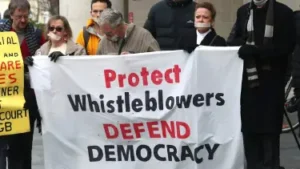
Increased secrecy can deter whistleblowers from coming forward with information about government wrongdoing. Fear of severe penalties can prevent individuals within the government or security services from revealing abuses of power, thus compounding the lack of transparency.
Impact on Press Freedom
Secrecy laws can also have a chilling effect on journalism and free speech. Reporters may face legal challenges when trying to uncover and report on security-related issues, which can prevent important information from reaching the public.
Strategies for Reclaiming Civil Liberties
Reclaiming civil liberties in the face of expanding national security measures is crucial for maintaining Australia’s democratic integrity. Here are detailed strategies to achieve this balance:
Legislative Review and Reform
A rigorous review of existing security legislation should be undertaken to evaluate its impact on civil liberties. The goal is to amend or repeal laws that disproportionately infringe on individual rights, ensuring that any security measure includes adequate protections against abuse.
Strengthening Legal Protections
Implementing stronger legal protections for civil liberties can safeguard individuals from undue intrusion. This includes enhancing laws related to privacy, freedom of speech, and assembly to ensure national security claims cannot easily override them.
Encouraging Civic Participation
Promoting civic participation can empower citizens to demand greater accountability and transparency from their government. Initiatives to educate the public on their rights and the implications of security laws can mobilise grassroots advocacy for civil liberties.
Enhancing Transparency and Oversight
Enhancing transparency and oversight is essential to counter the adverse effects of increased governmental secrecy.
Independent Oversight Bodies
Strengthening existing oversight bodies or establishing new ones with the power to monitor, review, and report on security practices is vital. These bodies should have unrestricted access to information and the authority to hold security agencies accountable.
Regular Public Reporting
Security agencies should be required to publish regular reports on their activities and the justifications for their use of powers. These reports should be made accessible to the public to ensure transparency and facilitate informed public discourse about Australia’s national security laws.
Judicial Oversight
Enhancing judicial oversight over surveillance and intelligence-gathering activities can prevent abuses. Courts should have a more pronounced role in authorising surveillance activities and reviewing the continuation of such powers.
Safe Channels for Whistleblowing
Developing safe and accessible channels for whistleblowing within the security sector is crucial. These channels should protect whistleblowers from retaliation and ensure that they can report misconduct without fear of consequences.
Community Engagement
Security agencies should discuss their operations and rationale with community groups and civil society. This engagement can help build trust and provide a platform for feedback on how these operations affect the community.
By implementing these strategies, Australia can take significant steps toward reclaiming its civil liberties while maintaining the security needed in today’s global landscape. These measures will protect individual rights and enhance the democratic values that are foundational to Australian society.
Empowering Whistleblowers
Protecting whistleblowers is crucial for keeping governmental transparency and accountability. Strong legal protections can empower individuals to report unethical behaviour without fear of reprisal, supporting a culture of openness and integrity.
Proportionate Security Measures
It is vital that security measures are not only effective but also proportionate to the threats they address. Overly broad or invasive measures can erode civil liberties without increasing security.
Promoting Public Discourse
Fostering an informed public debate on security and civil liberties can lead to more thoughtful and balanced policies. Public engagement helps ensure that the government’s approach to national security reflects the values and needs of its citizens.
Conclusion
As Australia grapples with modern security challenges, it must also vigorously protect the civil liberties that define it as a democracy. The path forward requires careful consideration, robust public engagement, and steadfast commitment to balancing security with freedom.
Call to Action
What is your view on Australia’s current security measures? Are they a necessary safeguard, or do they threaten the democratic freedoms we cherish? Join the discussion below, share your insights, and spread the word about this critical issue on social media.
This vital discussion will shape a future where security and liberty thrive together.
Must Read References:
Major parties are in cahoots in terms of the surveillance state and warmongering: https://www.sydneycriminallawyers.com.au/blog/major-parties-are-in-cahoots-in-terms-of-the-surveillance-state-and-warmongering/
Fact check: Are staff working in detention centres protected by whistleblower laws if they speak out?: https://www.abc.net.au/news/2015-08-03/whistleblowers-offshore-detention-fact-check/6633168
Whistleblowers face prison for revealing conditions in detention centres: https://www.sydneycriminallawyers.com.au/blog/whistleblowers-face-prison-for-revealing-conditions-in-detention-centres/